
Coronavirus: is working from home really better for the environment?
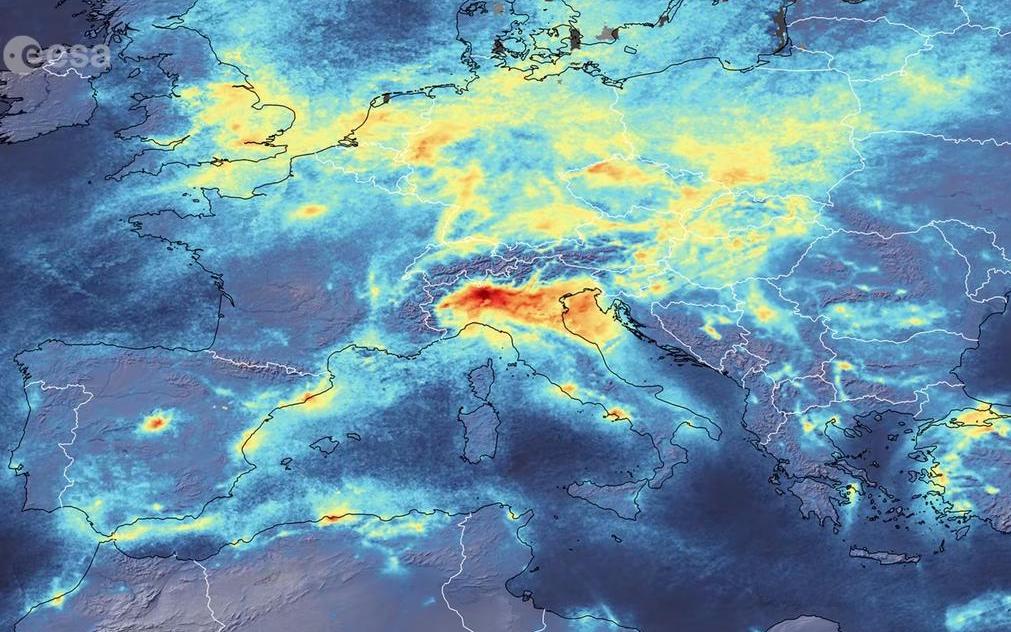
The impact of coronavirus (COVID-19) is even more widespread. Just over 100 days since countries across the world started shutting down trade and travel, closing businesses and limiting other economic activities in an attempt to control the coronavirus pandemic we are already seeing significant environmental changes. Just as after the 2008 financial crash, when the shuttering of businesses saw levels of atmospheric sulphur dioxide fall 85 per cent in Delhi, and man-made greenhouse gases in Europe and the US drop by 100 million tons, the measures being enacted to control coronavirus are already showing visible, and far reaching, atmospheric environmental improvements.
Social media and the press have been awash with stunning images of improved air quality around the globe. The first images came from NASA, showing how pollution levels were visibly lower across China following its lockdown. Today we see photos of cities, such as Beirut and Los Angeles, once smothered in smog, now with clear air. Emissions from traffic in New York have dropped almost 50 per cent. And Europe, too, shows significant reductions in air pollution. Again, these improvements in air quality are so vast that they are visible from space. The environment, it seems, is having a much-needed, if eerie, reprieve.
.
Image: ESA, via YouTube.